Pre-Flight Peru: Visas, Vaccines & Everything You Need Before You Go
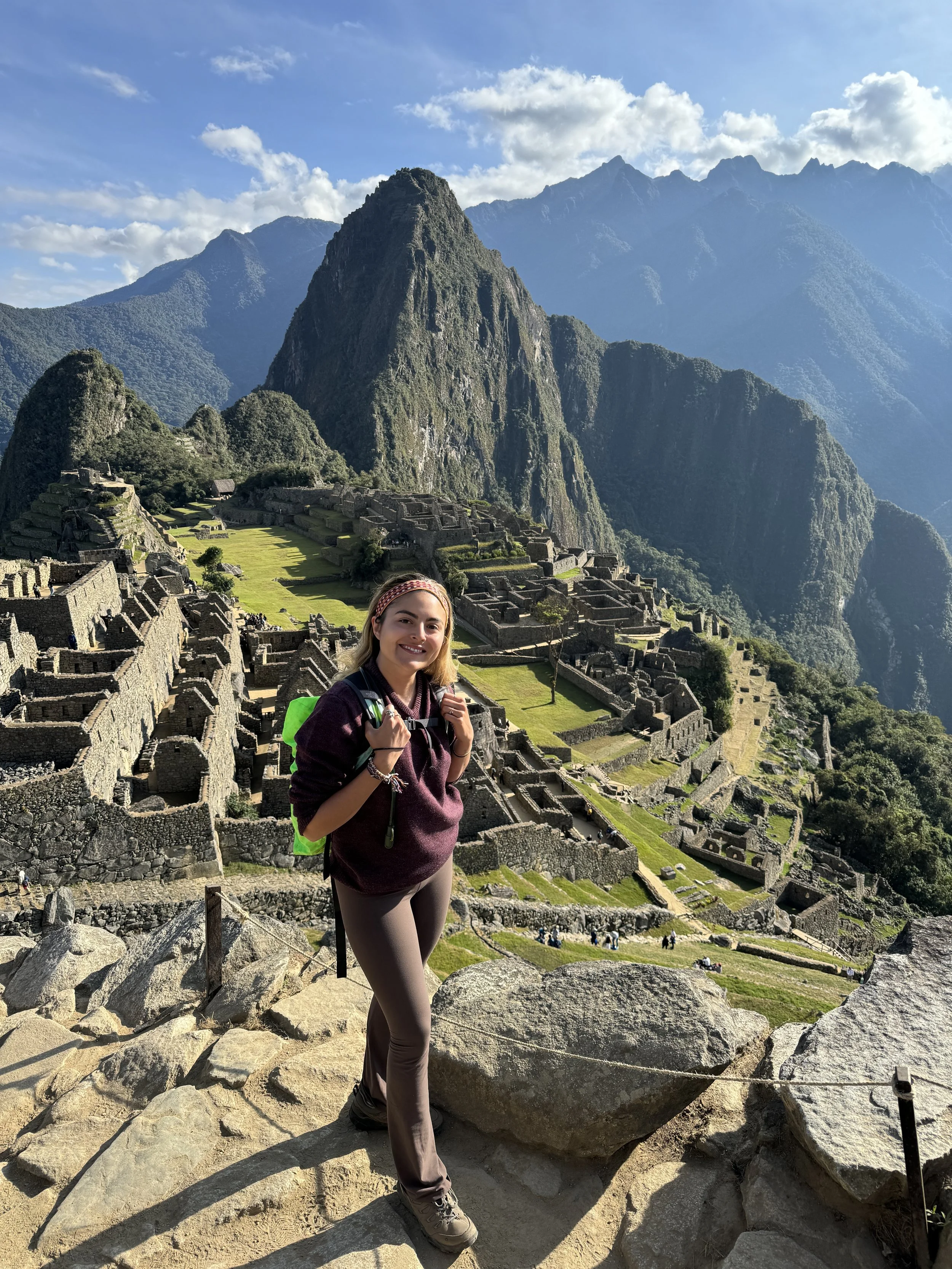
The Salkantay trek to Machu Picchu
Peru is one of the easiest countries in South America to visit — but there are still a few things I wish someone had told me before I left and I, of course, am going to make sure you know about it!
Book Machu Picchu Before You Buy Your Flight
If hiking to Machu Picchu is on your list, don't wait. The best tour companies fill up months ahead, especially during dry season (May–September). If you have a specific company in mind, or you want a higher-quality trek, book early — trust me on this one.
I hiked the Salkantay Trek with Alpaca Expeditions and they were phenomenal — the guides, the food, the campsites, all of it exceeded expectations. Not the cheapest option out there, but worth every single penny.
Even if you're skipping the hike, still look into Machu Picchu entrance tickets ahead of time. Availability and entry circuits change, and you don't want surprises on the one day you built your whole trip around.
2. Do You Need a Visa?
If you're from the US, Canada, UK, Australia, New Zealand, or most of Europe — good news, no tourist visa needed. You'll just get entry permission on arrival.
Before you fly, double check:
✔ Your passport is valid at least 6 months past your arrival date
✔ You have proof of onward travel if asked (I didn't have this and was fine — but they can ask!)
✔ You've checked the latest entry rules for your nationality, since these things change
3. Vaccines — Do You Actually Need Them?
Traveling from the US? No vaccines are required to enter Peru. But depending on your route, your doctor might recommend Hepatitis A, Typhoid, Yellow Fever (especially for the Amazon), or just making sure your routine vaccines are current.
Here's my honest experience: I didn't get any extra vaccines before my first trip to South America. That was my call after doing my own research. But once I started backpacking, one vaccine kept coming up over and over in conversations with other travelers — Yellow Fever.
Flying direct from the US to Peru? Most travelers don't need proof of it. But if the Amazon or more of Latin America is on your route, look into it for your specific plans.
Here's the move nobody tells you: you don't have to get it before you leave home. I got mine for free at the Bogotá airport after realizing I'd need it later for Costa Rica — saved myself around $200 versus getting it in the US.
Nobody asked me for proof the entire trip. But I met multiple backpackers turned away at borders because they didn't have it. Your call — but I was glad I had it just in case.
What About Malaria?
Also a personal call, based on your route and your doctor's advice. I chose not to take malaria meds anywhere in South America, Peru included — my decision after my own research. If you're spending real time in the Amazon, talk it through with your doctor first.
4. Travel Insurance — Non-Negotiable
This is the one thing I never leave home without. You never know what's coming, and having a plan feels like a superpower when you're thousands of miles from home.
I've been lucky — no major injuries — but I have dealt with brutal food poisoning and an eye infection that needed real medical attention. Insurance meant I got to focus on getting better instead of panicking about the bill, and I got reimbursed for both.
I use SafetyWing — affordable, easy, and every claim I've filed has been reimbursed fast. If you want to use my link, it costs you nothing extra and helps support this site. 👉 Safetywing code
Seriously, thank you if you use it. ❤️
5. Stay Connected: eSIM vs. Local SIM
Check if your phone plan covers international data before you leave. If not, get an eSIM. I use Airalo — easy install, service the second I land, no hunting for WiFi to order an Uber or check into my hostel.
Tighter budget? A local SIM is cheap and can save you money on longer trips — just know you'll get a new number (annoying for bank/app verification texts) and you'll need to reload it in person when it runs out.
For me, the eSIM convenience is worth the extra cost. Want to try Airalo? Use my code ALONDR8468 for $3 off your first eSIM.
6. Money & ATMs in Peru
Although credit cards are widely accepted in places like Lima and Cusco, I always recommend arriving with at least a little bit of Peruvian Soles (PEN).
Some of the best cafés, local restaurants, market stalls, and souvenir shops only accept cash. And if you're anything like me and love using public transportation while traveling, you'll quickly realize that cash is often essential.
If you plan on withdrawing money from ATMs during your trip, I can't recommend opening a Charles Schwab checking account enough.
Their debit card reimburses unlimited ATM fees worldwide, which can save you an incredible amount of money over a long trip. I didn't have one during my first two major backpacking adventures, and I literally spent hundreds of dollars on ATM fees alone.
Opening the account is completely free. Just sign up for the checking account, request the debit card, and you're all set. It's easily one of my favorite travel hacks, and I genuinely wish I'd done it sooner.
Your Pre-Flight Peru Checklist:
✔ Passport valid 6+ months
✔ Visa requirements confirmed
✔ Machu Picchu tickets/hike booked
✔ Yellow Fever vaccine decision made
✔ Doctor consult on other vaccines
✔ Travel insurance purchased
✔ eSIM set up or local SIM plan ready
✔ Soles or travel-friendly debit card sorted
✔ Bank notified of travel plans
Happy travels! 🇵🇪✈️
