The BEST times to travel Peru
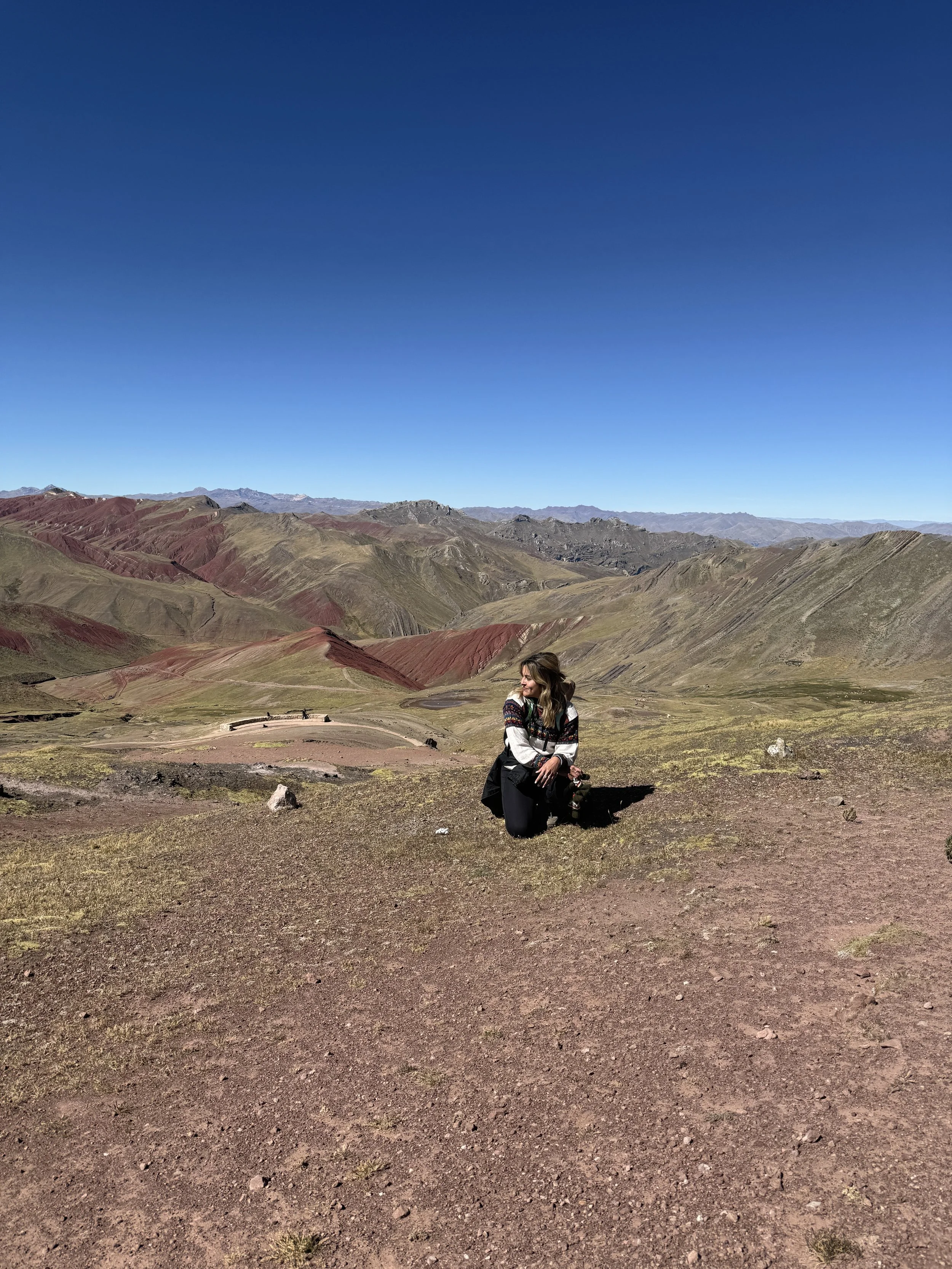
Palcoyo mountain near Cusco
If you're looking for one simple answer, I'd say May through September is the best time to visit Peru. This is the country's dry season, bringing clear skies, sunny days, and ideal hiking conditions throughout the Andes. It's the perfect time to explore iconic destinations like Machu Picchu, Cusco, the Sacred Valley, and the Inca Trail.
But Peru is an incredibly diverse country. In a single trip, you can travel from the Pacific coast to snow-capped mountains and into the Amazon rainforest—each with its own climate and ideal travel season. While the Andes are at their best during the dry season, the Amazon offers a great experience year-round, just in different ways.
Dry Season (May–September)
This is when most travelers visit Peru—and for good reason.
Expect sunny days, cool mornings and evenings, and very little rain throughout the Andes. Hiking trails are dry, mountain views are crystal clear, and you'll have the best chance of seeing Machu Picchu without it disappearing into the clouds.
I visited Peru at the end of May and was shocked by how chilly it was. I have to admit, I hadn't done much research beforehand and honestly assumed all of South America would be warm. Turns out, that's what happens when you underestimate elevation.
Although Peru sits close to the equator, many of its most famous destinations are high in the Andes. Cusco sits at over 11,000 feet (3,400 meters) above sea level, and the higher you climb, the cooler the temperatures become. The thinner mountain air creates crisp mornings, cold nights, and comfortable daytime temperatures that are actually perfect for hiking.
This is also an excellent time to visit the Amazon. Although the Amazon experiences rain year-round, the drier months make jungle hikes easier, mosquitoes a little more manageable, and wildlife easier to spot. It's a fantastic time to see monkeys, macaws, sloths, caimans, and even pink river dolphins if you're lucky.
The only downside? This is also peak tourist season, especially from June through August. You'll find larger crowds, higher hotel prices, and permits for the Inca Trail selling out months in advance.
Shoulder Season (April & October)
If you want a balance between good weather and smaller crowds, April and October are hard to beat.
These months sit on either side of the rainy season, so you'll often enjoy green landscapes, fewer tourists, and lower prices while still getting plenty of sunshine. You'll have a slightly higher chance of afternoon showers, but they're usually brief rather than all-day rain.
This is one of the best times to visit Peru if you're looking for a more relaxed experience without sacrificing too much on the weather.
Rainy Season (November–March)
Rainy season transforms Peru into a completely different landscape.
The mountains become incredibly lush and green, waterfalls are at their fullest, and there are far fewer tourists. Meanwhile, the Amazon enters its high-water season. Rising rivers allow boats to explore deeper into the flooded rainforest, opening up areas that are inaccessible during the dry season. While hiking becomes muddier, it's one of the best times for river excursions and exploring the jungle by boat.
However, frequent rain can make mountain trails muddy, obscure breathtaking views, and occasionally cause transportation delays.
If hiking is your main priority, I would avoid January and February, as heavy rains are common and the Inca Trail actually closes every February for maintenance and safety.
That said, rainy season isn't necessarily a bad time to visit Peru. If your itinerary focuses more on food, culture, museums, or exploring cities like Lima and Cusco at a slower pace, you can still have an incredible trip.
What About Lima and Northern Peru?
One thing that surprised me was how different Peru's regions feel from one another.
Lima follows its own weather pattern. While the Andes are enjoying their dry season, Lima is often cool, gray, and misty from May through October thanks to the cold Humboldt Current flowing along the Pacific coast. It isn't freezing, but it definitely isn't the tropical beach destination many people imagine either.
For sunny beach weather, you'll want to head farther north.
Máncora, located near Ecuador and much closer to the equator, stays warm year-round with tropical temperatures. It was actually the only place during my two months in Peru where I truly got to swim, relax on the beach, and enjoy consistently hot weather. After weeks of hiking through the Andes, it was the perfect change of pace.
My Recommendation
If it's your first trip to Peru, I'd aim for May or September.
You'll get the clear skies and dry trails that make Peru famous while also enjoying excellent conditions for exploring the Amazon. Better yet, you'll avoid some of the biggest crowds that arrive during the peak vacation months of June, July, and August, making it easier to enjoy Peru's most popular destinations at a slightly slower pace.
Whether you're trekking to Machu Picchu, spotting wildlife in the Amazon, wandering the streets of Cusco, or soaking up the sun in Máncora, there's really no bad time to visit Peru—it all depends on the experience you're looking for.
Planning your itinerary next? Check out my guide to the must-see places in Peru to help you make the most of your trip.
